
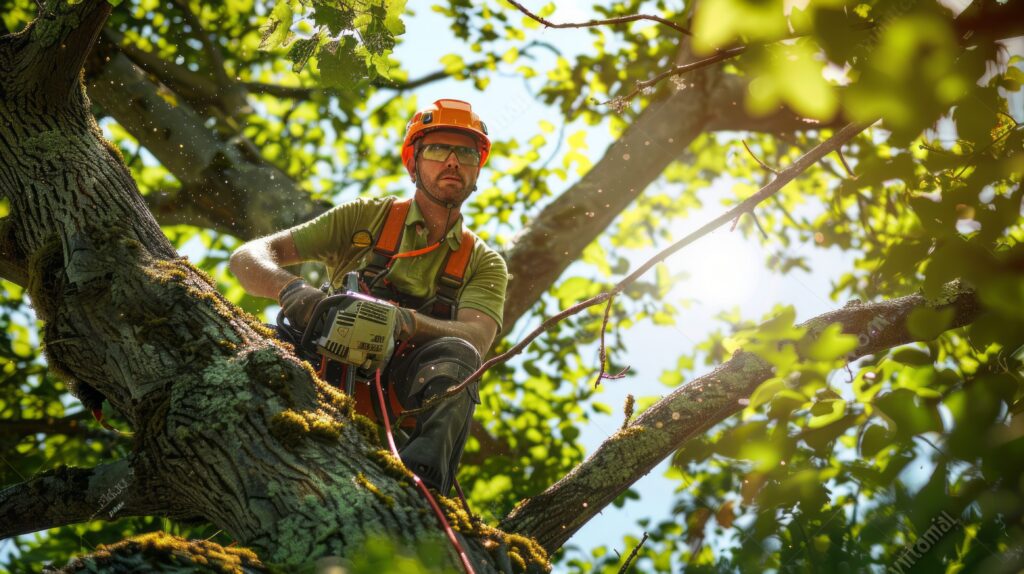
What Most Homeowners Don’t Realize About Cold-Weather Tree Work
When winter hits New York, most outdoor projects come to a halt — but that doesn’t mean tree removal has to wait. In fact, winter is often one of the best times to remove trees, especially those that pose a risk to your home, property, or family.
While many people assume tree work must wait until spring, frozen ground, dormant trees, and clear visibility can actually make the job safer, faster, and more efficient. If you’ve been holding off on taking down a dead or dangerous tree, here’s why you shouldn’t wait any longer.
1. Frozen Ground Makes Equipment Access Easier
During winter, the ground freezes and becomes more solid — making it ideal for heavy-duty equipment to access your yard without tearing up the soil or damaging the landscape
- Frozen ground helps support trucks, cranes, and removal tools with minimal disruption to lawns or driveways.
- No mud means cleaner, quicker job completion for both the crew and your property.
At Allen’s Tree & Fence, we have the tools and experience to handle safe, winter-ready removals — even in challenging conditions.
Schedule winter tree removal services now.
2. Dormant Trees Are Safer to Cut
In winter, most trees are dormant — they’re not actively growing, and there are no leaves to obstruct visibility. This makes it much easier for certified arborists to assess structural integrity and identify:
- Dead limbs
- Cracks or splits
- Internal rot or fungal growth
Because trees are inactive, removal causes less stress on surrounding plants, and pests or diseases are less likely to spread during or after cutting.
Explore emergency removal options here.
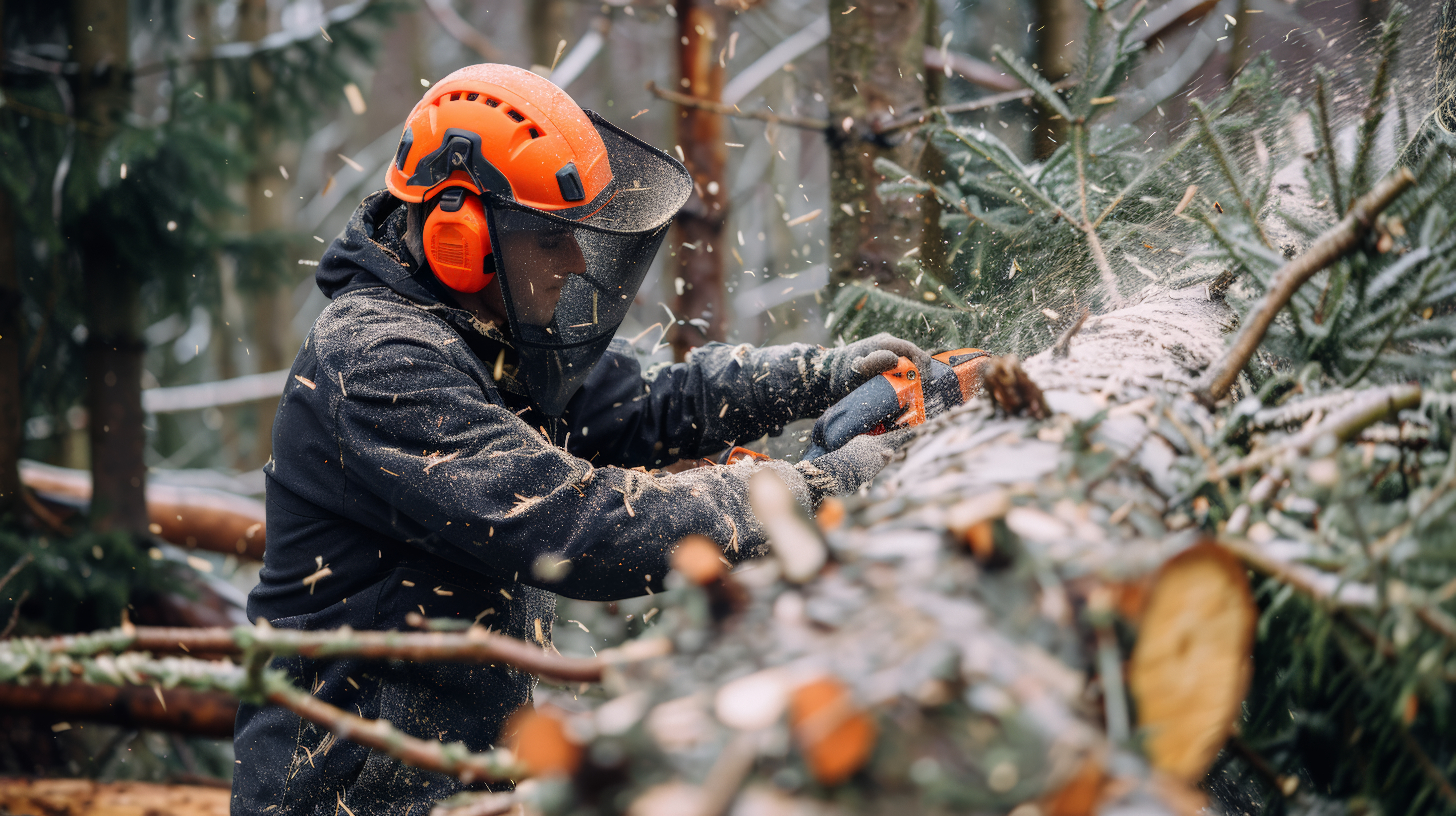
3. Dead or Dangerous Trees Become More Hazardous in Winter
Heavy snow and ice buildup on weakened limbs can cause them to snap suddenly — especially during windstorms or freezing rain. This puts nearby roofs, fences, cars, and people at serious risk.
- Dead trees can topple from their base under winter pressure.
- Decayed or hollow trunks can collapse without warning.
- Leaning trees may shift more easily when snow weighs down one side.
Removing hazardous trees in winter means you prevent damage before it happens — rather than paying for emergency response later.
4. Winter Scheduling Is Often More Flexible
Because many homeowners wait until spring, winter is often a slower season for tree work. That means:
- You’ll have more flexibility in scheduling.
- Potential for shorter lead times.
- You can get removals done before spring rains, new growth, or landscaping begins.
Don’t wait until the calendar fills up — book your tree removal while availability is still wide open.
Final Thoughts: It’s Not Too Cold for Tree Removal
Winter may feel like the wrong time to tackle outdoor projects — but for tree removal, it’s often the smartest move. With better ground conditions, clearer visibility, and more open scheduling, now is the perfect time to take action.
At Allen’s Tree & Fence, our team of trained professionals is equipped for safe, efficient tree removal even in winter. Whether you’re dealing with a dead tree, a storm hazard, or just getting ahead of spring landscaping, we’re ready to help.
Book your winter tree removal now — before snow, wind, or ice make the situation worse.
Winter Tree Removal FAQs
Can tree removal really be done in snow or freezing temperatures?
Yes — as long as conditions are safe for equipment access and crew safety, removals can be completed in cold weather. Frozen ground can actually help.
Will removing a tree in winter damage my lawn?
Not likely. Frozen soil reduces the risk of ruts, mud, or torn-up turf caused by trucks and tools. It’s often cleaner than warm-weather work.
Should I remove a dead tree even if it hasn’t fallen yet?
Absolutely. Dead trees become more brittle in winter and are more likely to collapse under snow or ice, especially if near your home, driveway, or property lines.
How do I know if a tree is dangerous?
Look for visible decay, fungus, leaning, large dead limbs, or cracks. When in doubt, call us for a professional evaluation.